
Income Tax Compliance in India: Complete Guide for Individuals, Startups & Businesses
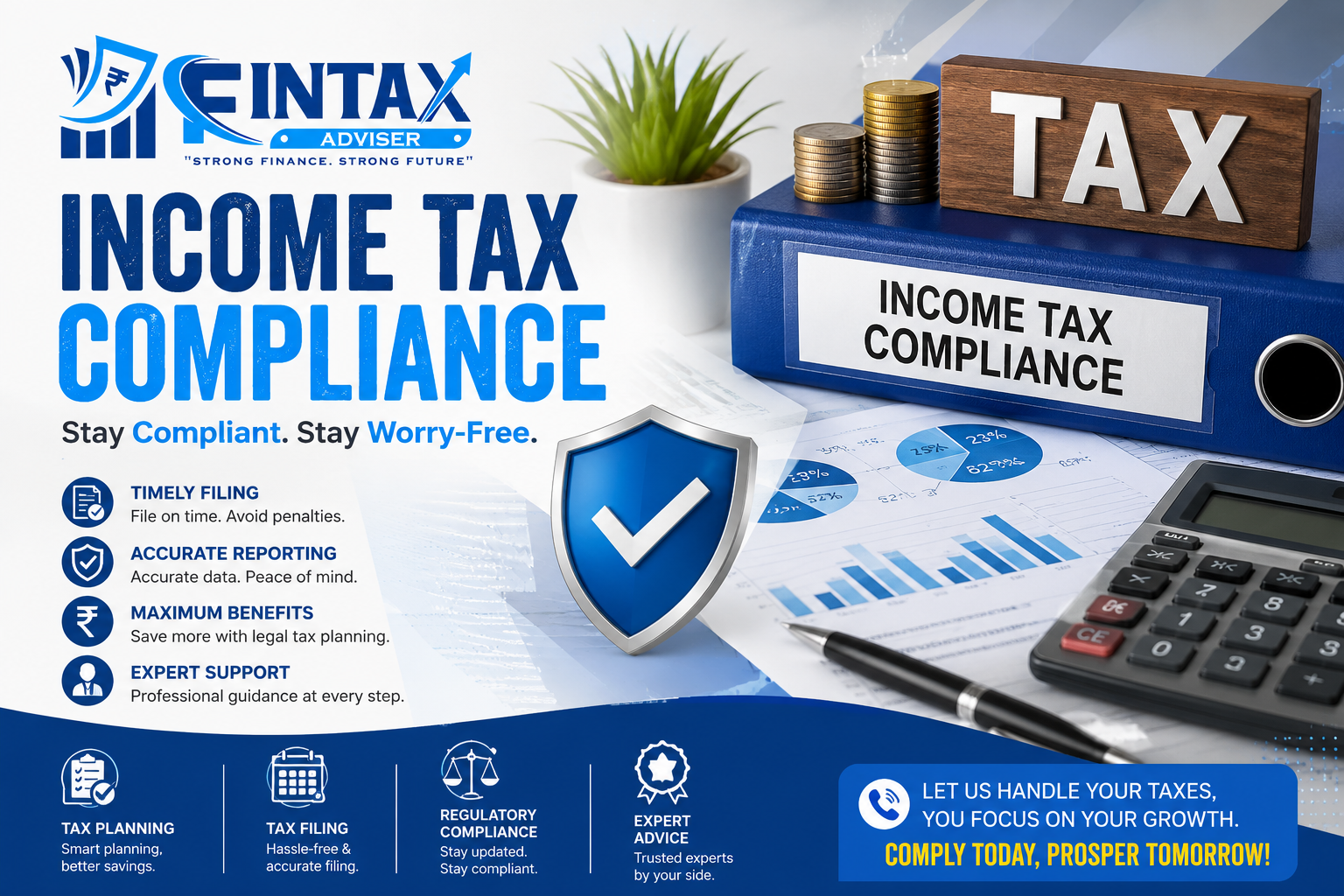
Managing taxes correctly is an essential part of responsible financial planning for every taxpayer, whether an individual or a business owner. Income Tax Compliance plays a vital role in ensuring that your financial activities align with applicable tax laws, helping you meet legal obligations while maintaining accurate financial records. By understanding tax responsibilities and filing requirements, taxpayers can avoid unnecessary complications and build a strong financial foundation for the future.
Whether you are a salaried employee, freelancer, startup founder, or established business owner, timely income tax return filing is crucial to avoid penalties, interest charges, and legal notices. This comprehensive guide explains the fundamentals of income tax regulations, the tax filing process, essential documents, available deductions and exemptions, important due dates, and practical best practices to help you stay compliant and make informed financial decisions with confidence.
What Is Income Tax Compliance?
Definition of Income Tax Compliance
Income Tax Compliance refers to the process of fulfilling all tax-related responsibilities according to the rules and regulations defined under income tax laws. It includes accurately reporting income, maintaining proper financial records, filing income tax returns on time, paying applicable taxes, and following all required procedures set by tax authorities.
Every taxpayer, including salaried individuals, freelancers, professionals, startups, and businesses, must follow income tax compliance requirements based on their income sources and financial activities. Proper individual tax compliance helps taxpayers manage their obligations effectively and ensures that their financial information remains accurate and transparent.
Why It Matters
Following tax compliance is a legal responsibility that helps individuals and businesses avoid unnecessary penalties, interest charges, and income tax notices. Maintaining proper compliance also improves financial transparency and supports better tax planning decisions. By staying updated with tax deadlines and requirements, taxpayers can manage their finances efficiently while reducing the risk of compliance issues in the future
Who Needs Income Tax Compliance?
Income Tax Compliance is important for every person and organization that earns taxable income. Different taxpayers have different responsibilities depending on their income sources, business structure, and financial activities.
Salaried Individuals
Salaried employees need to maintain proper income records, verify tax deductions, submit investment proofs, and complete timely income tax return filing to meet their tax obligations.
Freelancers & Professionals
Freelancers, consultants, and professionals must accurately track their earnings, expenses, and applicable deductions while ensuring proper tax reporting according to income tax laws.
Startups
Startups need to focus on maintaining financial records, managing tax payments, and following business tax compliance requirements from the beginning to avoid future compliance challenges.
Small & Medium Businesses
SMEs must handle regular tax filings, accounting records, and other financial responsibilities. Professional income tax compliance services can help businesses manage tax processes efficiently.
Companies
Companies have complex tax obligations, including corporate tax compliance, tax audits, documentation, and timely filings to ensure smooth business operations and regulatory compliance.
Key Components of Income Tax Compliance
Effective Income Tax Compliance involves several important activities that help individuals and businesses meet their tax responsibilities accurately and on time. Understanding these components makes the tax filing process easier and reduces the chances of errors or penalties.
Income Tax Return Filing
Income tax filing is one of the most important parts of tax compliance. Taxpayers must submit accurate income details, deductions, and tax payments through their income tax returns within the applicable deadlines.
Maintaining Financial Records
Keeping organized financial records, including invoices, receipts, expense details, and transaction statements, helps ensure accurate reporting and simplifies future tax assessments.
Advance Tax Payments
Eligible taxpayers must pay advance tax during the financial year based on their estimated tax liability to avoid additional interest charges.
Accurate Income Reporting
Reporting all sources of income correctly is essential for transparent tax compliance and avoiding discrepancies with tax authorities.
Tax Documentation
Proper income tax documentation, including investment proofs, financial statements, and supporting records, plays a key role in completing the filing process smoothly and maintaining compliance.
Documents Required for Income Tax Compliance
Proper income tax documentation is essential for accurate tax reporting and smooth income tax return filing. Keeping all necessary documents organized helps taxpayers calculate their income, claim eligible deductions, and complete the filing process without errors. The required documents may vary depending on whether you are an individual, professional, or business owner.
Common Documents Required for Income Tax Compliance:
- PAN Card: Required for identifying taxpayers and completing tax-related transactions.
- Aadhaar Card: Used for identity verification and linking with tax records.
- Form 16: Provided by employers to show salary income and tax deductions.
- Form 26AS: Helps verify tax credits, including TDS details.
- Annual Information Statement (AIS): Provides a summary of financial transactions reported to the tax department.
- Bank Statements: Required to track income, expenses, interest, and financial transactions.
- Investment Proofs: Documents supporting tax-saving investments and eligible deductions.
- Business Financial Statements: Required for businesses to report income, expenses, profits, and financial activities accurately.
Benefits of Staying Income Tax Compliant
Maintaining proper Income Tax Compliance provides several financial and legal benefits for individuals, professionals, startups, and businesses. Following tax rules on time helps taxpayers manage their responsibilities effectively while avoiding unnecessary complications.
- Avoiding Penalties: Timely tax filing and accurate reporting help prevent penalties, interest charges, and compliance-related issues.
- Faster Tax Refunds: Correct filing with complete information can help taxpayers receive eligible refunds without unnecessary delays.
- Easier Loan Approvals: Proper tax records and filed returns improve financial credibility when applying for loans or business funding.
- Better Business Credibility: Businesses with strong compliance practices build trust with customers, investors, and financial institutions.
- Improved Financial Management: Effective income tax planning helps individuals and businesses organize finances and make smarter decisions.
- Stress-Free Tax Season: Professional tax compliance services can simplify filing procedures and ensure all requirements are completed correctly.
Common Income Tax Compliance Mistakes to Avoid
Many taxpayers face unnecessary issues because of small mistakes during the tax filing process. Avoiding these errors is important to maintain proper compliance and prevent financial losses or legal complications.
- Missing Filing Deadlines: Not following income tax due dates can lead to late fees, interest charges, and other consequences.
- Wrong Income Reporting: Incorrectly reporting income or hiding financial details may result in notices and compliance issues.
- Ignoring Tax Notices: Failing to respond to notices from tax authorities can create serious problems.
- Incorrect Deductions: Claiming deductions without proper eligibility or supporting documents may lead to rejection or penalties.
- Poor Record Keeping: Incomplete financial records can make tax filing difficult and affect accuracy.
- Not Paying Advance Tax: Delaying advance tax payments can increase tax liabilities and impact tax audit compliance.
Avoiding these mistakes helps reduce income tax penalties and ensures smoother tax management.
Best Practices for Effective Income Tax Compliance
Following the right practices helps individuals and businesses maintain accurate records, avoid compliance issues, and manage taxes efficiently. A proper Tax compliance checklist ensures that all important requirements are completed on time and reduces the chances of errors.
- Maintain Proper Records: Keep invoices, receipts, financial statements, and other important documents organized for accurate reporting.
- File Returns on Time: Completing income tax return filing before deadlines helps avoid penalties and unnecessary stress.
- Review Tax Documents: Regularly check tax records, deductions, and financial details for accuracy.
- Plan Taxes Throughout the Year: Effective income tax planning helps optimize tax liabilities and improve financial decisions.
- Consult Tax Professionals: Expert guidance through income tax compliance services helps businesses and individuals handle complex tax requirements efficiently.
- Use Digital Accounting Software: Modern tools improve record management, reporting accuracy, and overall financial control.
About FinTax Adviser
Demystifying Finance. Empowering Innovation.
FinTax Adviser is a team of financial strategists, tax experts, and technology enthusiasts focused on simplifying financial operations for modern businesses. The firm provides professional assistance services to help startups and enterprises build strong financial foundations and manage their tax responsibilities effectively. By combining regulatory expertise with modern digital solutions, FinTax Adviser helps businesses transform tax compliance into a strategic advantage for sustainable growth.
Key Highlights:
- ₹20M+ Tax Savings Managed
- 200+ Startups Trust Us
- 98% Client Satisfaction
- 12+ Years of Financial Excellence
Our Core Values
- Uncompromising Integrity: Maintaining transparency and ethical practices in every financial service.
- Client-Centric Growth: Creating solutions focused on client success and business development.
- Forward-Thinking Strategy: Using innovative approaches to simplify finance and support future growth.
Frequently Asked Questions
1. What is Income Tax Compliance?
Income Tax Compliance refers to following all tax-related rules and responsibilities, including accurate income reporting, timely return filing, proper documentation, and payment of applicable taxes according to income tax laws.
2. Who is required to file income tax returns?
Individuals, professionals, freelancers, businesses, startups, and companies meeting the specified income criteria or conditions under tax regulations are required to file income tax returns.
3. What documents are required for income tax filing?
Common documents required for income tax filing include PAN Card, Aadhaar Card, Form 16, Form 26AS, AIS, bank statements, investment proofs, and business financial statements.
4. What happens if I don't file my income tax return?
Failure to file an income tax return on time may result in late fees, interest charges, income tax penalties, and possible notices from tax authorities.
5. How can businesses maintain Income Tax Compliance?
Businesses can maintain compliance by keeping accurate financial records, tracking expenses, filing returns on time, maintaining proper documentation, and following a regular tax compliance checklist.
6. What are the benefits of timely income tax filing?
Timely income tax filing helps avoid penalties, receive refunds faster, maintain financial transparency, improve credibility, and support better income tax planning.
7. Can startups benefit from professional tax compliance services?
Yes, startups can benefit from professional tax compliance services as experts help manage filings, documentation, tax planning, and other compliance requirements while allowing founders to focus on business growth.
8. How often should businesses update financial records?
Businesses should update their financial records regularly, preferably monthly, to ensure accurate reporting, smooth tax filing, and better financial decision-making.
9. What is tax audit compliance?
Tax audit compliance refers to fulfilling audit-related requirements, including maintaining financial records, preparing necessary documents, and ensuring accounts meet applicable tax regulations.
10. How can I reduce my tax liability legally?
Taxpayers can reduce their tax liability legally through proper income tax planning, claiming eligible deductions, using available exemptions, and making suitable tax-saving investments.
11. Why is maintaining income tax documentation important?
Proper income tax documentation helps verify income details, support deductions, complete accurate filing, and avoid issues during assessments or audits.
12. Why should businesses use income tax compliance services?
Professional income tax compliance services help businesses manage complex tax requirements, maintain accurate records, follow deadlines, and reduce the risk of compliance mistakes.
Conclusion
Maintaining proper Income Tax Compliance is essential for individuals, startups, and businesses to follow income tax laws and build strong financial management practices. Timely filing, accurate reporting, and organized documentation help avoid penalties while improving financial transparency and credibility. By maintaining proper records, following tax deadlines, and seeking professional assistance when required, taxpayers can manage their responsibilities efficiently and stay financially organized. Effective compliance not only reduces risks but also supports better planning and long-term financial growth.